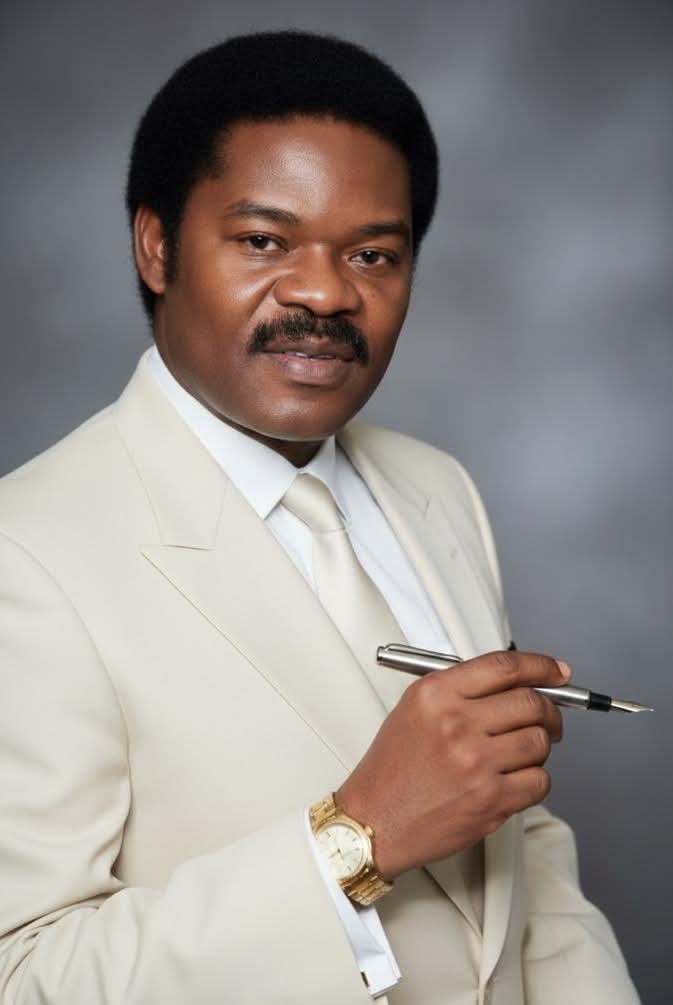
By Sam Adeoye
Dele Giwa was not just a journalist; he was a conscience with a pen. In a country learning to live with fear, he insisted on asking questions power did not want answered. Educated, urbane, and intellectually fearless, Giwa believed journalism was not a career but a moral obligation.
Through *Newswatch*, he helped redefine Nigerian journalism as a tool for accountability, not propaganda. His voice carried clarity, courage, and an unsettling honesty that refused to bow to uniforms or titles.
The government of his time was ruled by suspicion and silence. Under the military regime of Ibrahim Babangida, power spoke softly but carried a hidden fist. It was an era where decrees replaced dialogue and dissent was treated as treason.
The press survived on bravery alone. Journalists wrote knowing that truth came with consequences, yet Giwa wrote anyway—measured, factual, but unafraid. He trusted that reason could still shame authority. That faith would cost him his life.
On October 19, 1986, an envelope arrived at his Ikeja home. It looked official, harmless, routine. Inside it was death. The parcel bomb that killed him did more than tear his body apart; it ripped open the soul of a nation.
To this day, the mystery remains unsolved. Investigations circled but never landed. Accusations rose and were quietly buried. Files disappeared. Witnesses went silent. Justice stalled, then froze. In Nigeria, Giwa’s death became a symbol of how truth can be murdered without a single conviction.
What makes his story unbearable is not only how he died, but what followed—collective amnesia disguised as normalcy. A man was assassinated for doing his job, and the state moved on. That silence taught a brutal lesson: in Nigeria, justice has a price, and those who demand it often pay alone. Giwa paid with his life so others could count the cost and choose safety instead.
Yet, his death did not fully silence him. It left a permanent question hanging over Nigeria’s history: who protects the truth-teller when truth threatens power? Until that question is answered, Dele Giwa’s blood remains a footnote in our democracy, and his ghost continues to knock—like an envelope we are all afraid to open.
Sam Adeoye is Coach, Counselor, Pastor, Therapist, Writer