


By Samuel Nworah
The Defence Headquarters has dismissed reports of a secret ceasefire agreement between the Federal Government and Boko Haram insurgents, insisting that military operations against terrorists, bandits and other criminal groups remain ongoing across the country.
The military’s position comes amid growing controversy over a report by international humanitarian publication The New Humanitarian, which alleged that the Federal Government had entered into a secret truce with a faction of Boko Haram led by Bakura Doro.
The report, published in September, claimed that the arrangement had been in place since June 2026 and was connected to the release of 360 civilians abducted from Ngoshe community in Borno State.
It further alleged that the agreement involved a possible payment of ₦5 billion to the insurgents. The Federal Government has denied the alleged payment, while the military has now publicly rejected the suggestion that it has entered into a ceasefire agreement with Boko Haram.
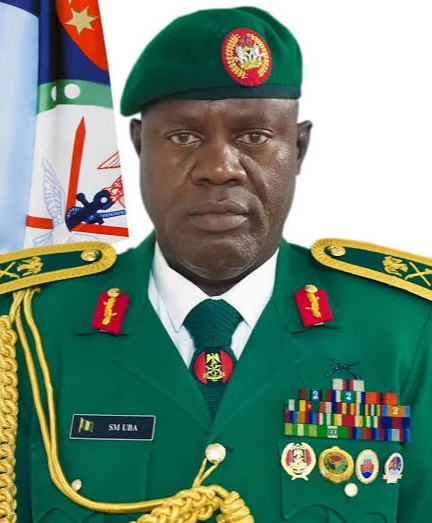
Speaking during a joint security briefing in Abuja on Thursday, November 5, the Director of Defence Information, Maj. Gen. Samaila Uba, said there was no ceasefire agreement with the insurgents.
He maintained that the Armed Forces were continuing coordinated operations against terrorist organisations and criminal groups across the country.
Military reports 435 terrorists and bandits killed
Providing an account of recent security operations, Uba disclosed that troops carried out 588 separate operations across the country during September and October.
According to him, the operations resulted in the neutralisation of 435 terrorists and bandits, including several commanders identified by the military as high-profile figures within the armed groups.
Those named included Ali Mandara, Abba Gajiri, Habu Ikkima, Nakif Yana Faruk, Commander Gogore and Abdussamad Ohida.
The military also reported the arrest of 809 suspects and the voluntary surrender of 198 insurgents during the two-month period.
In addition, troops reportedly rescued 717 kidnapped victims and other captives, while recovering 5,666 weapons, ammunition, explosives and improvised explosive devices.
These figures were presented by the military as evidence of sustained pressure on armed groups. They remain the Defence Headquarters’ reported operational figures and have not been independently audited.
Military responds to reports of insurgent relocation
Uba also addressed concerns about reports that some insurgents were moving away from their traditional strongholds into other parts of the country.
He described the movement as an indication that military operations were putting pressure on their established bases. However, he warned that the Armed Forces were not taking the development lightly.
According to him, security agencies were identifying locations where the fleeing fighters might attempt to regroup or establish new bases.
The military said adjustments to its operational structure, including the creation of additional formations and units, were intended to strengthen its presence in vulnerable areas and prevent armed groups from exploiting security gaps.
The assurance comes amid concerns that the activities of insurgents and armed criminal groups are spreading beyond their traditional areas of operation.
The controversy surrounding the alleged ceasefire
The report by The New Humanitarian raised serious questions about the government’s approach to negotiations with insurgent groups.
According to the publication, sources with contacts among senior Boko Haram members claimed that the alleged arrangement had contributed to a period of relative calm in parts of the North-East.
The report linked the purported agreement to the release of hundreds of civilians abducted from Ngoshe, while also raising questions about the alleged ransom payment.
However, the Federal Government has denied paying the reported ₦5 billion, and the Defence Headquarters has now rejected the claim of a ceasefire.
It is important to distinguish between the allegations made in the investigative report and the military’s official position. The existence, terms and implementation of any alleged arrangement have not been established through a publicly released agreement.
The military’s denial also does not, by itself, resolve every question raised by the investigation, particularly those concerning the circumstances surrounding the release of the Ngoshe victims.
Fresh attack reported in Kaduna
Even as the military announced its operational figures, reports emerged of another attack on Akwando community in Kachia Local Government Area of Kaduna State.
According to the Kuturmi Unity Development Association, suspected terrorists attacked the community on Wednesday, November 4, killing two people and abducting 20 others.
The association’s president, Dr Joseph Ariko, and its publicity secretary, Manasseh Samuel Akwando, disclosed the incident while expressing concern over recurring attacks on communities in the area.
The association also released a list of people it said had been abducted.
However, reports from other sources gave different figures for the number of people taken, and the police had not publicly confirmed the incident in the reports reviewed for this article. The casualty and abduction figures should therefore be treated as reported community claims pending official confirmation.
The attack has added to concerns about the continuing vulnerability of rural communities in parts of Kaduna State, where repeated killings and abductions have disrupted livelihoods and forced residents to abandon their homes and farmlands.
Security gains must translate into safety for Nigerians
The military’s reported achievements in September and October indicate the scale of its ongoing operations against insurgents, bandits and kidnappers. However, the continuing reports of attacks and abductions also demonstrate that the country’s security challenges remain far from resolved.
For Nigerians living in vulnerable communities, the most important measure of success is not simply the number of operations conducted or suspects arrested. It is whether families can sleep without fear, farmers can return to their fields, children can attend school safely and travellers can move freely without the threat of abduction.
The controversy surrounding the alleged Boko Haram ceasefire also highlights the importance of transparency in national security matters. Nigerians deserve clear explanations about government engagement with armed groups, the circumstances surrounding the release of kidnapped citizens and the measures being taken to prevent future attacks.
While the Defence Headquarters insists that military operations are continuing without interruption, the ultimate test will be the restoration of lasting security and public confidence across the country.


