By Ekunkonye Junior, Abuja
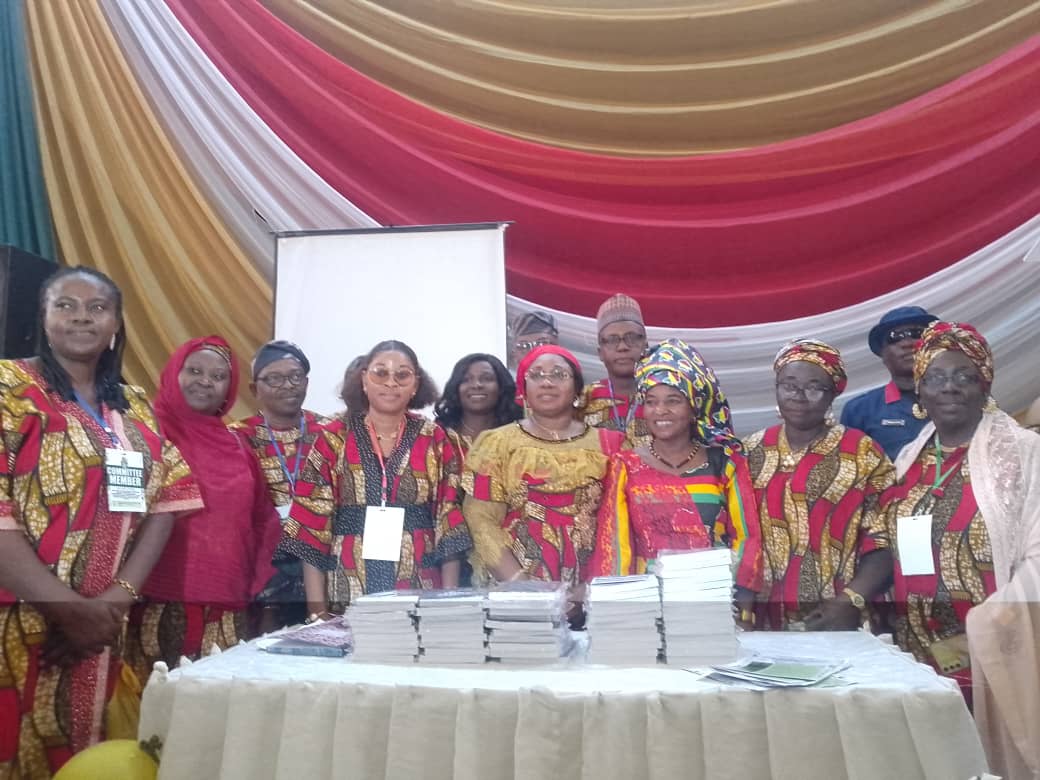
Two seminal works by Dr. Marline Waziri, “Evolution and Development of National, Regional and International Standardisation” (Vol. 1) and “Standardization on the Africa Continent: An Antidote for the African Continental Free Trade Area (AfCFTA)” (Vol. 2), were officially unveiled at the Mariam Babangida National Centre for Women Development, Abuja on Wednesday, a high‑profile event hosted by the Standards Organisation of Nigeria (SON).
The ceremony gathered distinguished royal fathers, heads of ministries, departments, and agencies, representatives of the organized private sector, academic institutions, development partners, and media, underscoring the books’ strategic importance to Africa’s trade agenda.
In his foreword to Vol.1, Prof. Alex Dodoo, the former DG, Ghana Standards Authority (GSA) and former President of the African Organisation for Standardisation (ARSO), praised Dr. Waziri’s “comprehensive treatment” of standardisation, noting that the volume traces the evolution of standards from individual‑level impacts to their role in companies, trade associations, and all tiers of government, while also addressing Regional Economic Communities (RECs), continental bodies, and international organisations. Prof. Dodoo highlighted Dr. Waziri’s extensive career in SON and ARSO, her familiarity with World Standards Council (WSC) practices, and her sabbatical stint in Nairobi, Kenya, as credentials that lend authority to her scholarly work.
Vol. One, titled “Evolution and Development of National, Regional and International Standardisation,” offers a deep dive into the genesis, growth, harmonisation, and promotion of standards across Africa.
The book situates standardisation within the broader context of economic integration, illustrating how coherent standards can facilitate smoother trade, enhance regulatory trust, and support the implementation of the AfCFTA by reducing technical barriers to intra‑African commerce.
Vol. Two, “Standardization on the Africa Continent: An Antidote for the African Continental Free Trade Area (AfCFTA),” focuses on the pivotal role of standardisation in realising the AfCFTA’s objectives. Dr. Waziri explains how harmonised standards can dismantle non‑tariff barriers, align African quality infrastructure with international best practices, and ensure that Regional Economic Communities (RECs) act as building blocks for continental integration without creating conflicting regulations.
Prof. Dodoo emphasized that Dr. Waziri’s second volume “presents in lucid and orderly manner the role of all key players responsible for enhancing the development, harmonisation and promotion of standardisation” across Africa, aided by international organisations. He noted that the book aligns with the African Union’s Constitutive Act of 2000, Agenda 2063, and the AfCFTA Agreement, all of which call for strengthened quality infrastructure to address Technical Barriers to Trade (TBT) and Sanitary and Phytosanitary (SPS) measures.
The event highlighted that both volumes are positioned as essential reading for policymakers, regulators, industry stakeholders, and academics across Africa.
Dr. Waziri’s clear language, depth of knowledge, and engaging presentation style make the books accessible to beginners while offering specialist insights valuable to seasoned professionals in standardisation and trade.
SON’s Director General, Dr. Ifeanyi Chukwunonso Okeke, reiterated the organisation’s commitment to disseminating Dr. Waziri’s works to national standards bodies throughout Africa, stressing that “these publications reinforce SON’s mandate to develop and harmonise national standards, strengthen testing and certification systems, and represent Nigeria in regional and continental standardisation platforms.”
The unveiling concluded with a call to action for African nations to adopt Dr. Waziri’s recommendations, integrate standardisation into national development plans, and leverage the books as reference tools for advancing the AfCFTA agenda. Participants expressed optimism that widespread distribution of the volumes will accelerate the continent’s journey toward a harmonised, rules‑based trading environment.